
Media/Photography
March 10, 2026
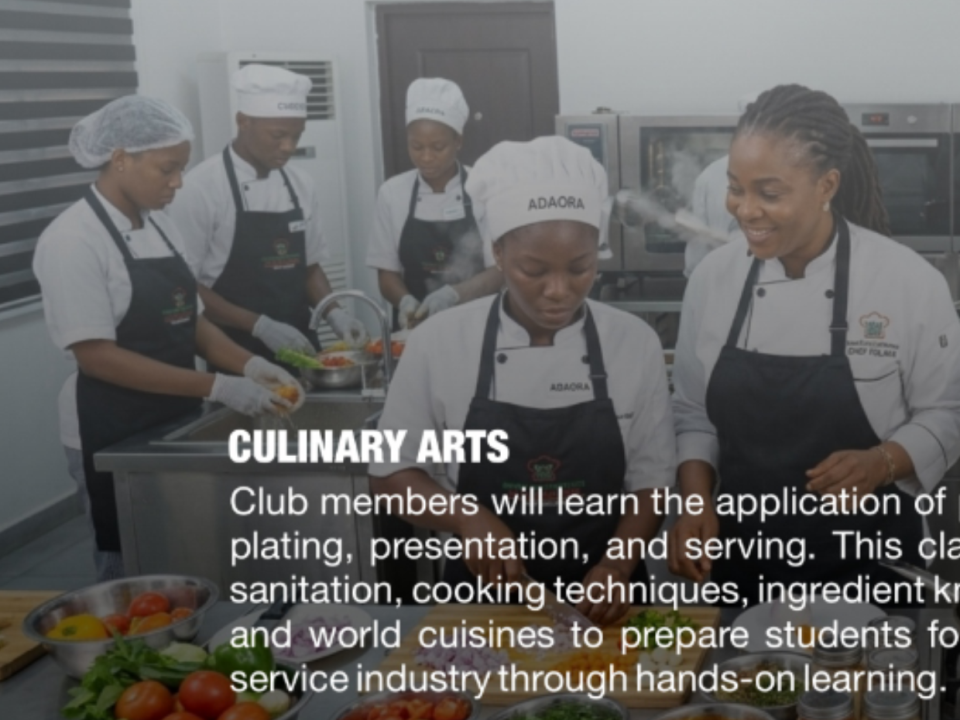
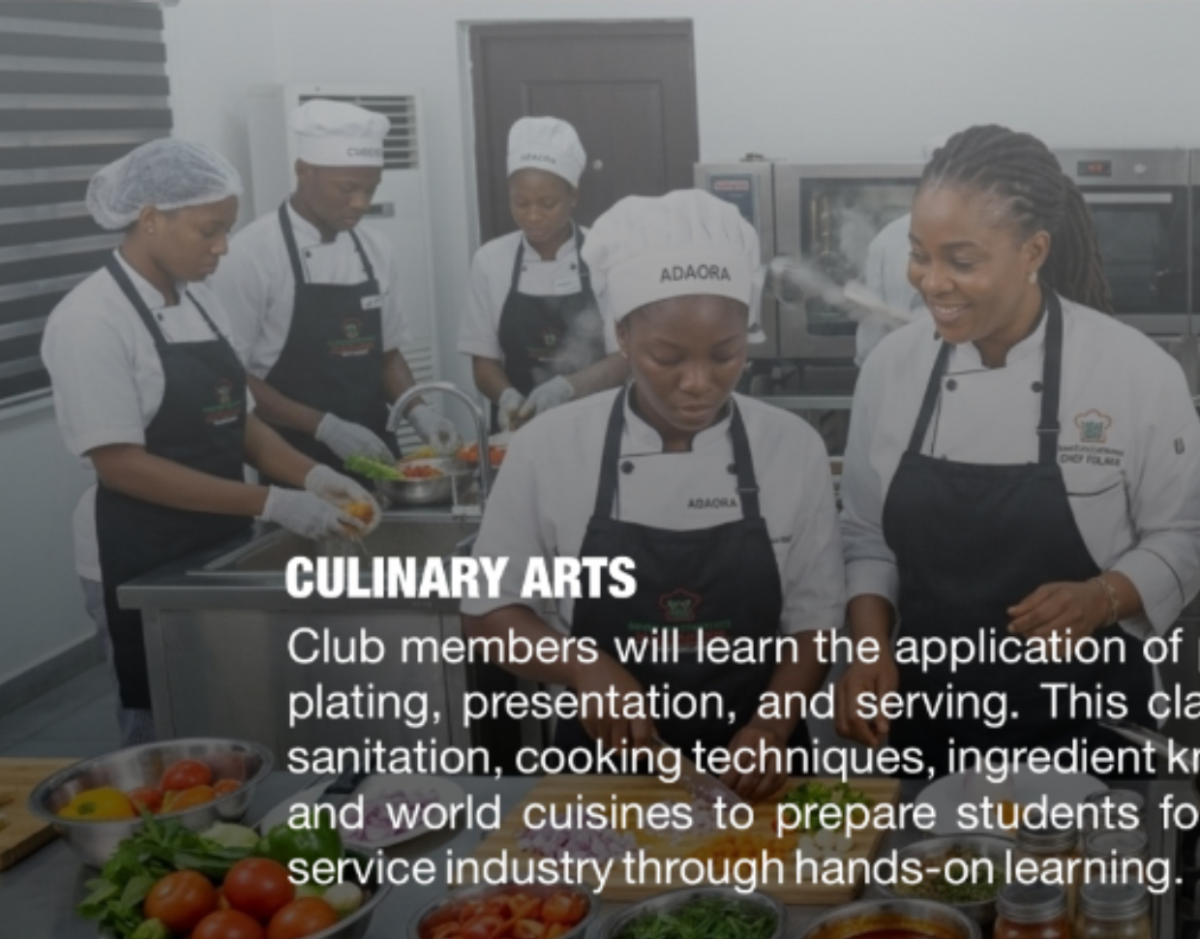
CULINARY ARTS
March 10, 2026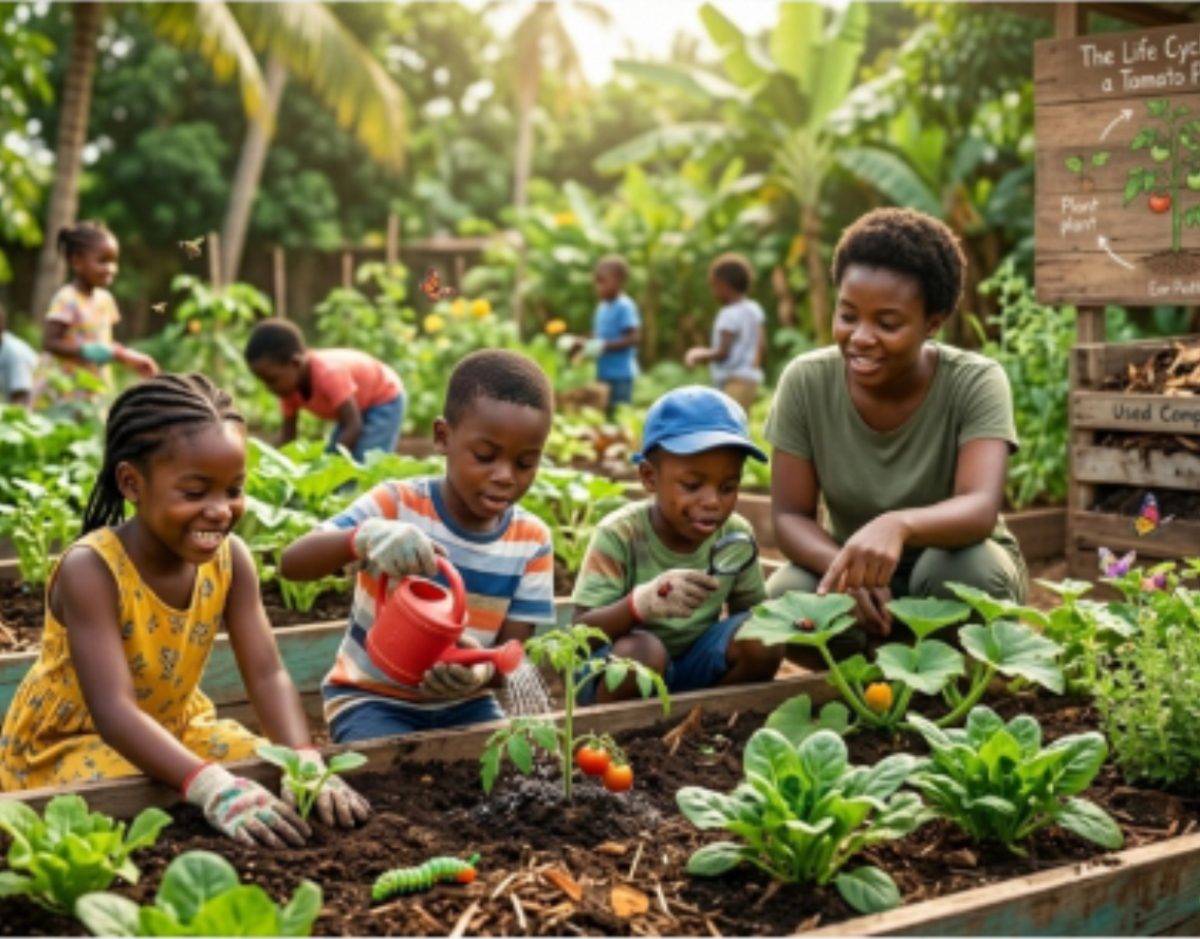
Class for club members is a hands-on outdoor learning environment (OLE) experience where children explore the
wonders of nature through gardening! Designed for young learners, this engaging class takes place in a vibrant outdoor classroom filled with sensory and edible plants to connect children with nature and diversify their outdoor experience through nature-inspired play spaces.
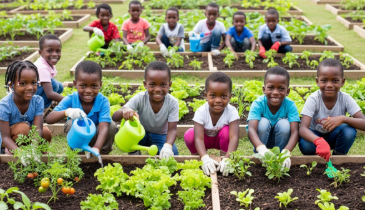
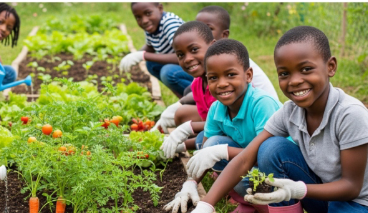
Each session encourages club members to get their hands dirty while learning about plant life cycles, soil health, composting, seasonal planting, beneficial bugs, and the importance of caring for the Earth. Club members will plant, water, harvest, taste, and even take home some of their own garden-grown goodies!
What Club Members Will Learn:
● How seeds grow into food and flowers
● The basics of planting, watering, and weeding
● Insect friends vs. garden pests
● Composting and recycling in nature
● Seasonal rhythms and natural observation
● Patience, teamwork, and responsibility
This course will further teach children about the importance of gardening, plants, and the connection to maintaining a balanced diet. Additionally, students will learn the value of landscapes from an ecological and sociology-economical perspective, and how this affects water use and the larger ecological impact.
The main objectives for our students are – to learn about plants (particularly edible ones); the larger micro climate and ecosystem; and healthy eating, posture and balance while working.
Students will foster socio-economic skills and a love for learning. This course will also promote teamwork, communication, and problem-solving skills.
Goals include learning about plants and vegetables and how to include them as part of a balanced diet. The class will be able to identify plants and their basic components and understand the plant cycle and how this applies to the seasonal calendar. Students will develop gardening skills, primarily care and maintenance, and discover the larger ecosystem and local micro climate.
Students will explore ways to compost, fertilize, and create soil, and learn how this can affect carbon storage and potentially halt climate change.